TB-500 explained: what it is and reported side effects
TB-500 is a synthetic fragment related to thymosin beta-4 with no approved human use. See the research stage, WADA status, risks and Thai status.
Short answer
TB-500 is a synthetic fragment related to thymosin beta-4, studied mainly in the laboratory and in animals. It has no approved medical use and no official side effect list.
TB-500 is discussed online in connection with injuries and recovery. The name causes confusion, because it points to a natural protein while the product sold is a different, synthetic fragment. This page separates the two.
TB-500: status in Thailand (28 November 2026)
We could not confirm a Thai FDA registration for TB-500 (no official source found; database check pending). Selling or importing a medicine needs a licence, and sending medicines by post is not allowed. Our status checker shows the verified entry and date.
What it is
Thymosin beta-4 is a protein of about forty-three amino acids found in most cells. It takes part in how cells move and organise their internal scaffolding. TB-500 is a synthetic version of a short active stretch of that protein. Online sellers often use the two names as if they were the same thing, but a fragment and the full protein can behave differently.
What the evidence says
The research on the full thymosin beta-4 protein includes laboratory work, animal studies of wound and heart tissue repair, and some human trials of preparations for eye and skin conditions. Those human trials have had mixed or inconclusive results, and none has led to wide approval that we found. Work on the TB-500 fragment itself is mostly laboratory and animal, and it has appeared in veterinary and anti-doping literature, where it has been detected in racing animals.
| Item | Human evidence |
|---|---|
| Full thymosin beta-4 protein | Some early human trials, mixed results |
| TB-500 fragment | Almost none published |
| Approved medicine containing TB-500 | None found |
The claim that it speeds healing of tendons or muscle in people rests on animal results and on testimony, neither of which shows that it works in humans. A ClinicalTrials.gov search finds trials of related preparations rather than of the products sold online.
Reported and theoretical side effects
There is no official list because there is no approved product. The theoretical concerns come from the biology: thymosin beta-4 influences cell migration and new blood vessel growth, so researchers have asked whether it could affect tumour behaviour. This is a question rather than an established harm. User reports mention injection-site reactions, tiredness, headache and lightheadedness, but such reports are uncontrolled and cannot show cause.
Product problems add to the picture. Contents may be wrong, impure or non-sterile. In 2026 Thai authorities reported seizures of unregistered peptide injections, and we found no case where a 'lab-only' label protected a seller. See certificates of analysis explained and the counterfeit guide.
Sport and anti-doping rules for TB-500
Thymosin beta-4 and its derivatives, including TB-500, are listed under S2 on the WADA 2026 Prohibited List. Re-check the 2027 list from 1 January 2027. See the page on anti-doping rules.
How it relates to BPC-157
TB-500 and BPC-157 are often paired in marketing, but they are different molecules with different origins and different list entries. Compare them on our page BPC-157 vs TB-500, and read what is BPC-157 for the other half.
Questions to ask a doctor about TB-500
- What does human evidence show for my specific injury?
- Which approved treatments, physiotherapy or imaging would help first?
- Does my history raise any concern about stimulating tissue growth?
- Who supplies the product, and what is its registration and storage history?
- What should we do if a reaction occurs?
Use the doctor questions tool. We do not give dosing, and you should ask a doctor about dosing for your own situation.
Blood tests and follow-up for TB-500
No blood test is specific to TB-500. For a person who has used it, doctors may check a full blood count and inflammatory markers if infection is suspected, as well as liver and kidney function. Seek care for swelling, warmth, fever or pus near any injection site.
Naming confusion explained
The name TB-500 is a commercial label, and it has been applied to products of different composition over the years. Some sellers describe it as the whole thymosin beta-4 protein, others as a short fragment. These are different things, and the studies on one do not transfer to the other. Anti-doping laboratories use the same distinction when they look for the substance, which is one reason sport authorities list the protein and its derivatives together.
What to do if you already used a product
If you have used something sold under this name and feel unwell, seek care without waiting. Bring the vial or its packaging, any paperwork and a note of when you used it. A doctor can examine injection sites, check for infection and decide on tests. If you plan to compete in a tested sport, remember that a substance on the Prohibited List can lead to a sanction even if it was taken before a season began, depending on how long it remains detectable and on the rules of your federation.
Finally, if you are choosing between options for an injury, ask a sports medicine doctor or a physiotherapist about evidence-based rehabilitation, imaging and approved treatments. These have documented results and a safety record that an unregistered fragment does not.
A final practical point concerns paperwork. If a seller or clinic offers this product, ask for the registration number, the manufacturer name and the batch record, and write down what you are given. A serious provider can answer in minutes. Silence, vague wording or pressure to decide quickly are signs to walk away and talk to a doctor you already trust.
This page is information, not medical advice. Ask a licensed doctor in Thailand about your own situation.
Frequently asked questions
What is TB-500?
A short synthetic peptide modelled on part of thymosin beta-4, a protein the body makes. It is sold online under the name TB-500 but is not an approved medicine.
Is TB-500 banned in sport?
Thymosin beta-4 and derivatives such as TB-500 are listed under S2 on the WADA 2026 Prohibited List. Re-check the 2027 list from 1 January 2027.
What side effects does TB-500 have?
There is no official list. Human data on TB-500 itself are almost absent, so side effects are mostly unknown.
Sources
- The Prohibited List, World Anti-Doping Agency, 2026
- Thymosin beta-4: PubMed search, National Library of Medicine, 2026
- Thymosin beta-4: ClinicalTrials.gov search, ClinicalTrials.gov, 2026
- FAQs: Medicines, Thai FDA, 2026
Keep reading
All molecules ↗
5-amino-1MQ explained: research stage and safety
5-amino-1MQ is a small molecule studied in cells and mice, not a registered medicine. See what research exists, the unknowns and what to ask a doctor.

AOD 9604 explained: trial history and status
AOD 9604 is a growth hormone fragment tested for obesity in human trials that did not lead to an approved medicine. Read the history, WADA and Thai status.

BPC-157 oral vs injection: what studies compare
Studies of BPC-157 used different routes in animals. See what they compare, why peptides behave differently by route, and why human data are missing.
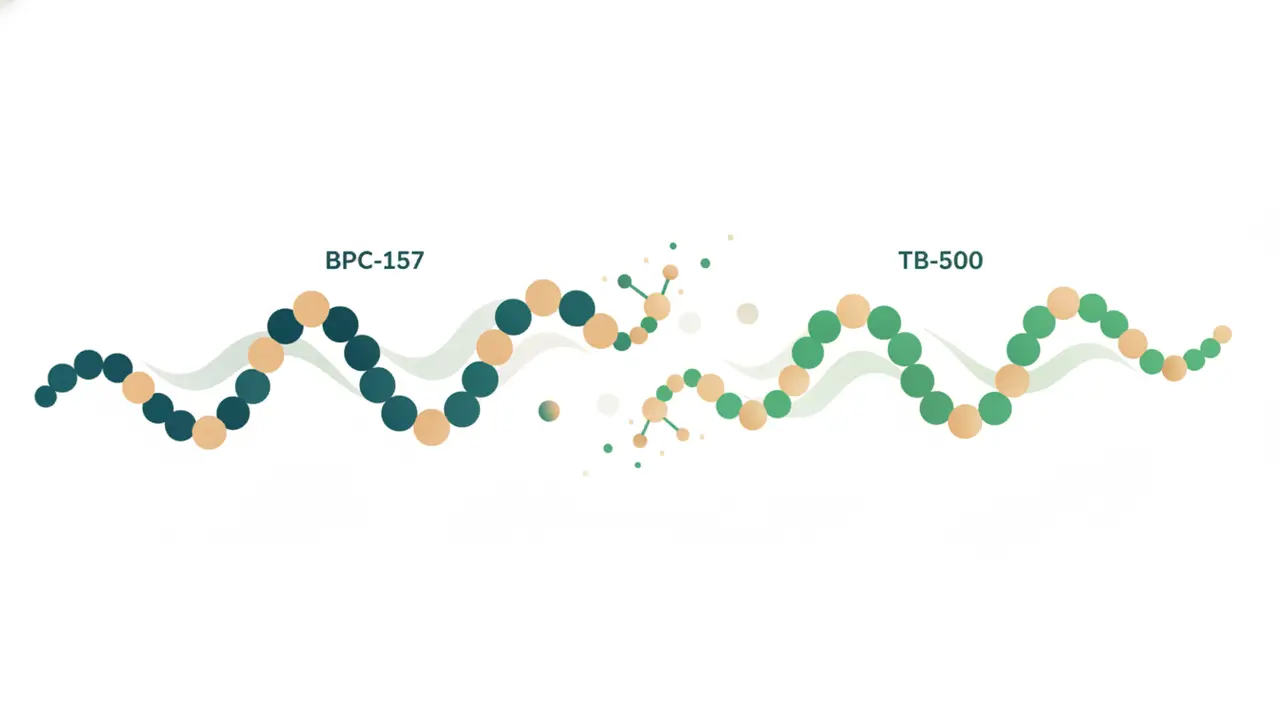
BPC-157 vs TB-500: how the two peptides differ
BPC-157 and TB-500 are often mentioned together but come from different sources and act differently in studies. A factual comparison with status in Thailand.

DSIP Peptide Explained: What Research Exists on Sleep
DSIP, delta sleep-inducing peptide, was reported in the 1970s and studied in small sleep trials. See what exists, what is missing, and the Thai status.

Epitalon Explained: Longevity Claims vs Evidence
Epitalon is a four-amino-acid peptide promoted for longevity. See what the research from a small number of groups shows, the gaps, and its status in Thailand.

GHK-Cu peptide explained: skin research and safety questions
GHK-Cu is a copper-binding peptide used in skin-care products. What small studies report, how it is regulated in Thailand and what to ask a doctor.

KPV Peptide Explained: What Research Exists
KPV is a three-amino-acid fragment studied for inflammation in cells and animals. Learn what research exists, what is missing, and the status in Thailand.