GLP-1 drugs in Thailand: rules for foreigners
How GLP-1 injectables are regulated in Thailand since 15 September 2026: prescription, pharmacist, official uses, risks and checks for foreigners.

Short answer
Injectable GLP-1 drugs in Thailand are specially controlled drugs. Since 15 September 2026 they need a prescription and a pharmacist.
GLP-1 drugs went from a diabetes niche to a topic that every expat in Bangkok has heard of. In 2026, Thailand changed how they are classed. This is the overview for foreigners, as of 28 November 2026. It sets out the rules and the evidence, and leaves treatment decisions to doctors.
The 2026 change for GLP-1 drugs
Since 15 September 2026, injectable GLP-1 drugs are classed as specially controlled drugs in Thailand: they need a prescription and must be dispensed by a pharmacist (reported by Nation Thailand). The reported announcement names semaglutide, liraglutide, dulaglutide, lixisenatide and tirzepatide and ties them to type 2 diabetes and obesity. We have not read the Gazette text, and the date is reported. A full explanation is in Thailand's GLP-1 prescription-only rule.
The products and their status
Ozempic, Wegovy and Mounjaro are registered in Thailand (press sources). Saxenda, a liraglutide product, is marketed in Thailand (registration document not checked). Retatrutide is an experimental drug under study with no marketing authorisation that we found, so any product sold under that name is not an approved medicine. See Ozempic, Wegovy, Mounjaro and is retatrutide approved.
How these drugs work
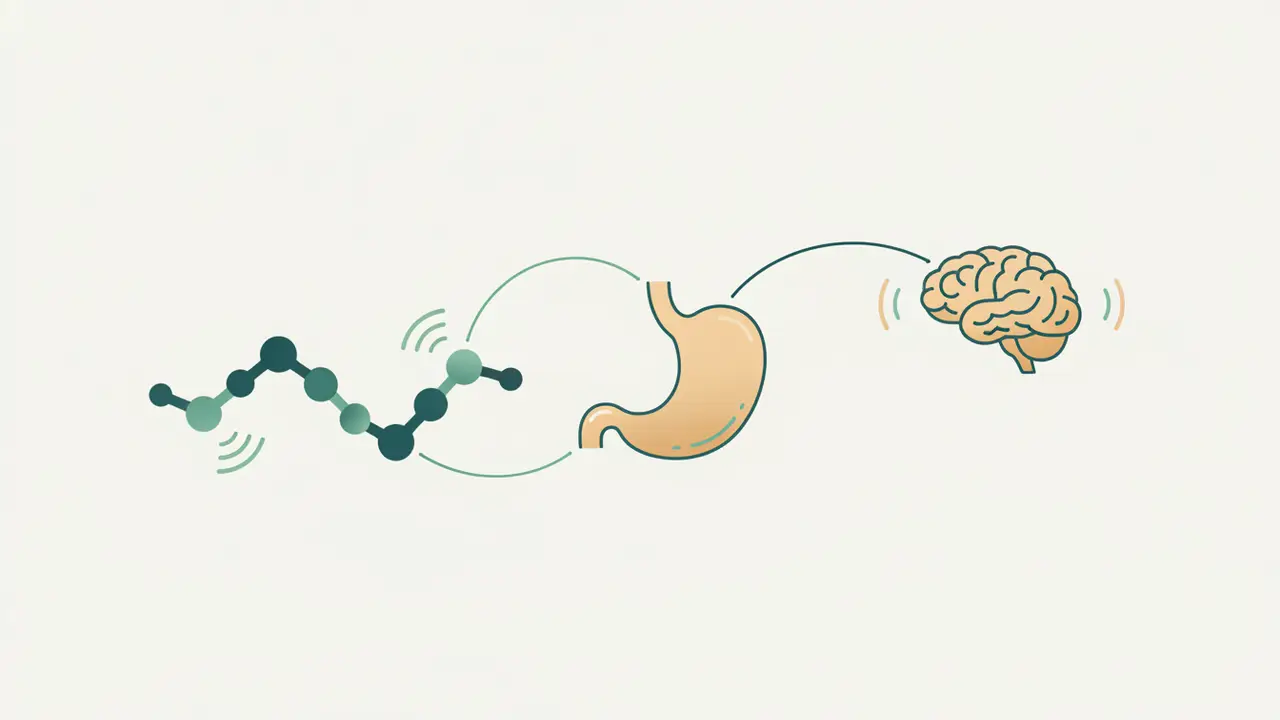
They copy hormones that the gut releases after meals. These raise insulin release when blood sugar is high, slow stomach emptying and act on appetite. How GLP-1 drugs work has the detail. Knowing the mechanism also explains the common side effects, which are mostly digestive.
What the trials were
STEP 1 tested semaglutide against placebo in adults with overweight or obesity, with lifestyle support for all. SURMOUNT-1 did the same for tirzepatide. SUSTAIN-6 and SURPASS-2 studied people with type 2 diabetes. Trials include screening, monitoring and dropouts, and results describe averages. The evidence is strong for the approved uses and says little about use outside them, or about a product that is not what its label claims.
Risks that labels list
The usual early effects are nausea, vomiting, diarrhoea, constipation and abdominal pain. Warnings include pancreatitis, gallbladder disease, kidney injury after dehydration, low blood sugar when combined with insulin or sulfonylureas, diabetic eye changes and allergic reactions. Rodent studies led to a thyroid C-cell tumour warning. Studies and clinicians also discuss loss of lean mass alongside weight, covered in GLP-1 and muscle loss, and the effect of alcohol, covered in GLP-1 and alcohol. We do not give dosing.
Foreigners: what to expect
A visitor or resident needs a licensed doctor to assess whether the drug fits an official use. Expect a history, a weight and blood pressure check and blood tests, then a pharmacist's involvement at dispensing. The traveller rule allows a medicine prescribed at home for personal use for up to 30 days, in its original container. Anyone who offers a pen without assessment is outside this system. Pens sold under a "peptide" label are not exempt, and in 2026 authorities reported an arrest over tirzepatide sold as a peptide.
Counterfeits and GLP-1 drugs
Falsified GLP-1 pens have been reported internationally. The counterfeit checker lists signs: no registration number, odd printing, wrong language, a seller without a prescription step and unclear storage history. The Thai FDA consumer line is 1556.
Who the evidence covers, and who it does not
The trials behind these drugs enrolled adults with specific conditions. Children, people who are pregnant, people with serious kidney or liver disease, people with a history of pancreatitis and those with some thyroid cancers were usually excluded or studied separately. The labels reflect that, with warnings or contraindications. So the real question for any individual is whether they resemble the people in the trials, and only a doctor who has examined you can judge that. Social media posts about friends and influencers tell you nothing about it.
When stopping comes up
Trial follow-up and clinical reports describe weight and blood sugar moving back toward earlier levels in many people after treatment stops. That shapes how doctors talk about long-term plans, and it is another reason to ask about duration and exit before starting. If you intend to leave Thailand, agree a plan for continuity, including which brand and which doctor will take over.
A word on cost and value claims
You will see cost comparisons and "access" stories on social media. This site shows no prices, because advertising the sale of a medicine is an offence under the Drug Act. What matters for a decision is the match between your condition, the official use and the supervision you will get. A cheaper pen with no verifiable origin is a different product in kind, not a discount.
Questions to ask a doctor about GLP-1 drugs
- Which official use does my prescription fit?
- Which product and registration number will I receive?
- Which of my conditions or medicines raise risks?
- Which tests do you want and how often?
- How do I stop, and who will see me if I leave Thailand?
Print them with the doctor questions tool.
Blood tests and follow-up for GLP-1 drugs
Doctors commonly use HbA1c and fasting glucose, kidney function, liver enzymes and a lipid panel, with extra tests guided by symptoms. Keep your own copy of every result.
Travel and customs rules for GLP-1 drugs
Thai FDA allows a traveller to bring a modern medicine for personal use for up to 30 days, in its original container with the doctor's prescription. This does not make unregistered products bought online legal to bring in. Sending medicines by post is not allowed. For the detail, read bringing medication into Thailand.
This page is information, not medical advice. Ask a licensed doctor in Thailand about your own situation.
Frequently asked questions
Which drugs are in the GLP-1 group?
Semaglutide, liraglutide, dulaglutide and lixisenatide act on GLP-1. Tirzepatide acts on GLP-1 and GIP. The reported Thai rule names all of them.
What are the official uses in the reported rule?
Type 2 diabetes and obesity, as reported by Nation Thailand. We have not read the Gazette text.
Are these medicines peptides?
Chemically, yes. Legally, they are registered prescription medicines, which is different from an unregistered peptide product.
What should I do if a pen looks wrong?
Do not use it. Keep the pack and call the Thai FDA consumer line at 1556 or ask the prescriber.
Sources
- Thai FDA: consumer complaints and contact, Thai FDA, 2026
- Weight-loss injections now prescription-only, pharmacist must dispense, Nation Thailand (press), 2026
- FAQs: Medicines, Thai FDA, 2026
- Once-weekly semaglutide in adults with overweight or obesity (STEP 1), New England Journal of Medicine, via PubMed, 2021
- Tirzepatide once weekly for the treatment of obesity (SURMOUNT-1), New England Journal of Medicine, via PubMed, 2022
Keep reading
All glp-1 medicines ↗
GLP-1 drugs and alcohol: what is known
Can you drink alcohol on a GLP-1 drug? A look at what the labels say, the risks of combining them, early research on drinking, and what to ask a doctor.

GLP-1 drugs and muscle loss: what studies report
Does weight loss on GLP-1 drugs include muscle? A review of what body-composition studies report, the open questions, and what to ask your doctor in Thailand.
How GLP-1 Drugs Work: A Plain-English Explainer
GLP-1 is a gut hormone that tells the pancreas and brain a meal has arrived. See how drugs copy it, how they differ, and their status in Thailand.

How long do people stay on Mounjaro? Doctor questions
There is no fixed end date for Mounjaro. See what the label and trials say about duration and stopping, and which questions to bring to a doctor in Thailand.

Is Oral Semaglutide Available? Status by Country
Oral semaglutide exists as an approved diabetes tablet in the US and EU. See how it works, its status in Thailand, and why capsule peptides differ.

Is semaglutide safe? Risks and warnings explained
Is semaglutide safe? Read the official warnings, what trials found, who should be cautious and what to ask a doctor, with Thai prescription rules.

Mounjaro and hair loss: what is known
Hair loss is reported with tirzepatide and other weight-loss drugs. See what regulators and studies say, likely causes, tests to ask for and Thai rules.

Mounjaro in Thailand: status for foreigners
Mounjaro contains tirzepatide, reported as registered in Thailand since 2025 and a specially controlled drug since 15 September 2026. Rules and checks.