GLP-1 drugs and muscle loss: what studies report
Does weight loss on GLP-1 drugs include muscle? A review of what body-composition studies report, the open questions, and what to ask your doctor in Thailand.
Short answer
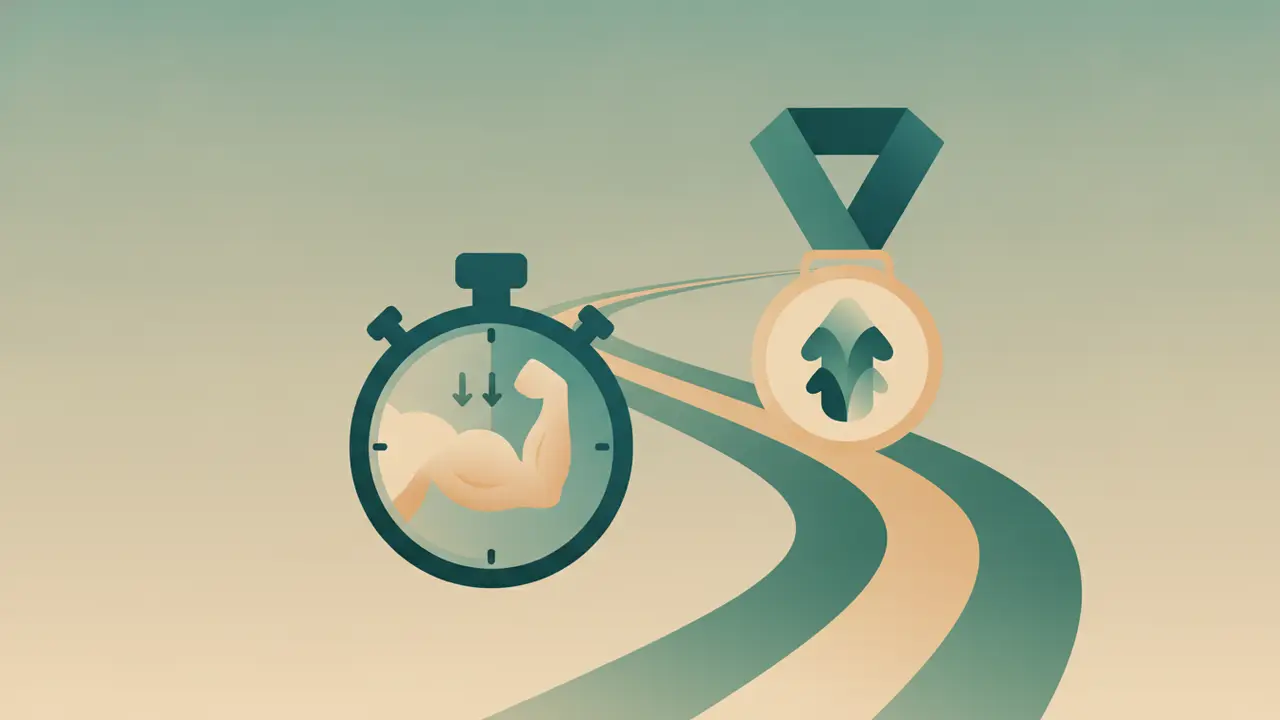
Studies report that part of the weight lost on GLP-1 drugs is lean mass, which includes muscle. How much matters is still being studied.
Muscle loss during weight loss is one of the most common worries among people using GLP-1 drugs. The question is reasonable, and the answer is more nuanced than a headline suggests.
The short answer on GLP-1 drugs
When people lose weight, some of what they lose is lean mass as well as fat. Body-composition studies within the large semaglutide and tirzepatide trials report this, and researchers continue to debate how much is expected for the amount of weight lost. It is a topic to raise with the prescriber, not a reason on its own to stop or change treatment.
What lean mass means
Dual-energy X-ray scans are often used to estimate body composition. They split the body into fat, bone and everything else. The everything-else category, lean mass, includes muscle, but also water, organs and connective tissue. A fall in lean mass on a scan is therefore not the same thing as a fall in muscle, and it says nothing directly about strength or how well a person functions.
This is a limit of the research. Most sub-studies were scanned in only part of the trial group. They were not designed to tell us whether the loss changes health outcomes, such as falls, fractures or the ability to climb stairs.
What the trials and analyses report
Body-composition sub-studies of semaglutide and tirzepatide trials report that most of the weight lost is fat, with a smaller share lean mass. Some commentators argue that the share of lean mass lost is close to what is seen with diet-based weight loss, and others argue that the speed of loss on these drugs makes the issue more important. Both views appear in the published literature, and we do not take a side.
The group most often discussed as at higher risk is older adults, people who already have low muscle mass or low activity, and people losing weight quickly. That is a clinical judgement for the prescriber, and not a rule from the label.
What clinicians commonly suggest
Without giving a plan, guidance documents on weight management often mention the following themes:
- resistance training, because mechanical load is the strongest signal to keep muscle
- enough protein across the day, with the target set by a dietitian, since needs differ with age and kidney health
- avoiding very fast or very low-calorie approaches
- regular movement, adequate sleep and attention to vitamin D and other nutrients where there is a deficiency
- tracking strength and function, not just the scale
Some of these themes need adjusting for people with kidney disease or other conditions, which is one reason to ask a professional and not copy a social media routine.
Muscle, strength and everyday function
A scan number is only part of the story. Muscle matters because it supports movement, balance, blood sugar control and recovery from illness. People at the start of treatment who already have low muscle mass, sometimes described as sarcopenia, have less reserve, and for them a further loss is more significant. Younger, active people with plenty of reserve face a different situation. A clinician who looks at the whole person, including how easily you stand up from a chair, how strong your grip is and how much you move in the day, will give you more useful guidance than a single scan result.
It also helps to separate two goals. One is protecting muscle during weight loss. The other is building it, which usually needs a longer time and a progressive training plan. Both are usually discussed with a physiotherapist or a trained exercise professional, ideally with input from the prescriber.
What is still unknown
Several questions remain open. Researchers do not yet agree on how much lean mass loss is clinically important, nor whether it matters differently for people with obesity, who often carry more muscle at the start, than for others. Long-term follow-up after treatment stops is limited. Studies of added strategies, including specific exercise programmes and medicines that target muscle, are under way, and you can see registered studies on ClinicalTrials.gov. Until they report, the cautious position is to monitor, to keep active and to discuss it with the prescriber.
The risk of unregistered add-ons
Some people look for peptides marketed for muscle to offset this concern. We found no good human evidence that such products protect muscle during GLP-1 treatment. Growth-hormone-axis peptides are listed under S2 on the WADA 2026 Prohibited List, and re-checking the 2027 list from 1 January 2027 is advised. An unregistered injectable also has no verified identity, purity or sterility. Reported 2026 seizures in Thailand involved unregistered peptide injections, and we found no case where a 'lab-only' label protected a seller. See muscle-building peptides and anti-doping.
GLP-1 drugs: status in Thailand
Mounjaro, Ozempic and Wegovy are registered in Thailand (press source). Since 15 September 2026, injectable GLP-1 drugs are classed as specially controlled drugs in Thailand: they need a prescription and must be dispensed by a pharmacist (reported by Nation Thailand). The Thai FDA FAQ says importing medicines by post is not allowed. A traveller may bring a modern medicine for personal use for up to 30 days, in its original container with the doctor's prescription. This does not make unregistered products bought online legal to bring in.
Tests and follow-up for GLP-1 drugs
A doctor may use body-composition measures where available, grip strength or a simple chair-rise test, and routine blood tests such as HbA1c, fasting glucose, a lipid panel, kidney function, liver enzymes, ferritin, vitamin D and thyroid function. If you have diabetes, the usual eye and foot checks continue.
Questions to ask a doctor about GLP-1 drugs
- Am I at higher risk of losing muscle, given my age, activity and health?
- Can we measure body composition or strength at the start and later?
- Should I see a dietitian, and what protein plan fits my kidneys?
- Which type of exercise would you suggest, and should a physiotherapist be involved?
- What should I do if I feel weaker or lose weight faster than planned?
We do not give dosing. Ask a doctor about dosing for your own situation. Our questions to ask a doctor tool prints a longer list. Related reading: how GLP-1 drugs work, Mounjaro plateau and Mounjaro side effects.
This page is information, not medical advice. Ask a licensed doctor in Thailand about your own situation.
Frequently asked questions
Do GLP-1 drugs cause muscle loss?
Body-composition sub-studies of the large trials report that some of the weight lost is lean mass. Any weight loss, whatever the method, tends to reduce some lean mass, so researchers debate how much is specific to these drugs.
Is lean mass the same as muscle?
No. Lean mass also includes water, organs and connective tissue, and the scans used to measure it are an estimate. Strength and function matter as well as scan results.
What do clinicians suggest to protect muscle?
Guidance generally points to resistance exercise, adequate protein as advised by a dietitian, and a steady rate of loss. The details depend on age, kidney health and other conditions.
Is Mounjaro registered in Thailand?
Mounjaro is registered in Thailand (press source), and Ozempic and Wegovy are too. Since 15 September 2026, injectable GLP-1 drugs are classed as specially controlled drugs in Thailand, with prescription and pharmacist dispensing (reported by Nation Thailand).
Sources
- Tirzepatide and semaglutide body composition: literature search, PubMed, National Library of Medicine, 2026
- Mounjaro: EPAR product information, European Medicines Agency, 2026
- Weight-loss injections now prescription-only, pharmacist must dispense, Nation Thailand (press), 2026
Keep reading
All glp-1 medicines ↗
GLP-1 drugs and alcohol: what is known
Can you drink alcohol on a GLP-1 drug? A look at what the labels say, the risks of combining them, early research on drinking, and what to ask a doctor.

GLP-1 drugs in Thailand: rules for foreigners
How GLP-1 injectables are regulated in Thailand since 15 September 2026: prescription, pharmacist, official uses, risks and checks for foreigners.
How GLP-1 Drugs Work: A Plain-English Explainer
GLP-1 is a gut hormone that tells the pancreas and brain a meal has arrived. See how drugs copy it, how they differ, and their status in Thailand.

How long do people stay on Mounjaro? Doctor questions
There is no fixed end date for Mounjaro. See what the label and trials say about duration and stopping, and which questions to bring to a doctor in Thailand.

Is Oral Semaglutide Available? Status by Country
Oral semaglutide exists as an approved diabetes tablet in the US and EU. See how it works, its status in Thailand, and why capsule peptides differ.

Is semaglutide safe? Risks and warnings explained
Is semaglutide safe? Read the official warnings, what trials found, who should be cautious and what to ask a doctor, with Thai prescription rules.

Mounjaro and hair loss: what is known
Hair loss is reported with tirzepatide and other weight-loss drugs. See what regulators and studies say, likely causes, tests to ask for and Thai rules.

Mounjaro in Thailand: status for foreigners
Mounjaro contains tirzepatide, reported as registered in Thailand since 2025 and a specially controlled drug since 15 September 2026. Rules and checks.