How GLP-1 Drugs Work: A Plain-English Explainer
GLP-1 is a gut hormone that tells the pancreas and brain a meal has arrived. See how drugs copy it, how they differ, and their status in Thailand.
Short answer
GLP-1 drugs copy a gut hormone that raises insulin after meals and slows the stomach. They also act on appetite signals in the brain, and they are prescription-only in Thailand.
You do not need a biochemistry degree to follow how these medicines work. The idea is to copy a signal your gut already sends, and to make that signal last.
The short version on GLP-1 drugs
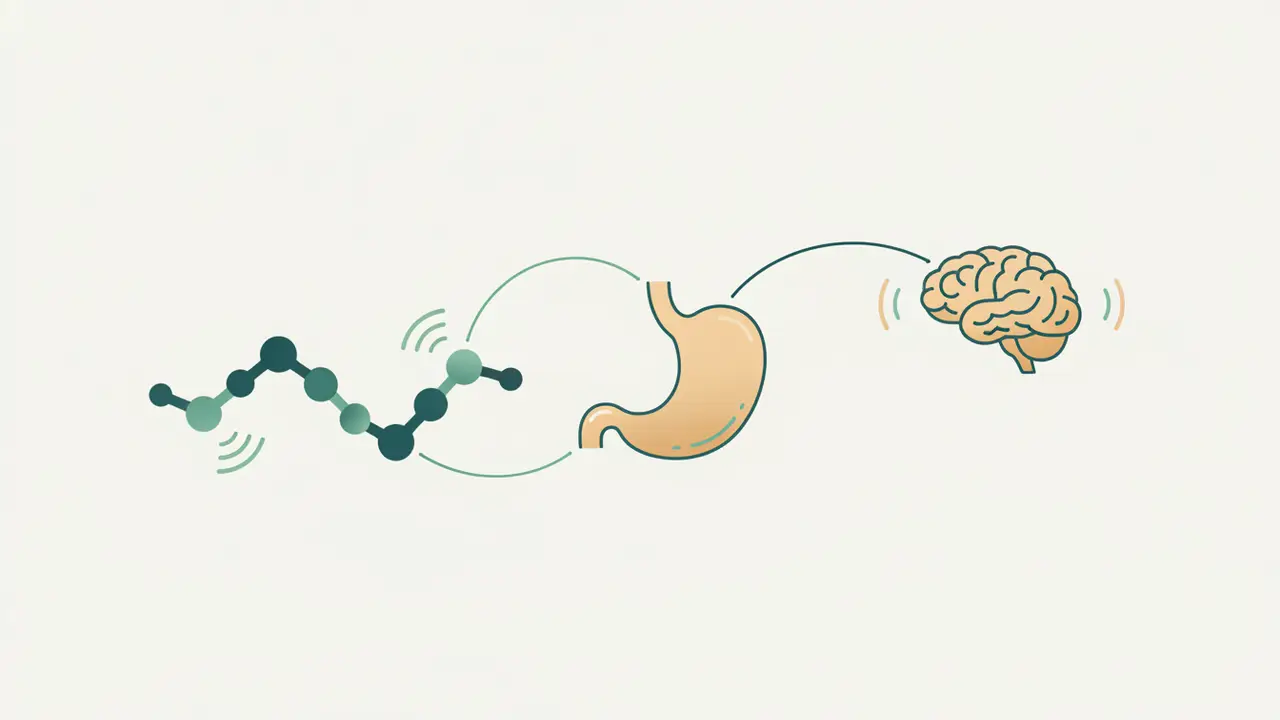
When you eat, cells in the lower gut release a hormone called GLP-1. It tells the pancreas to release insulin when blood sugar is high, tells the pancreas to hold back glucagon, slows the emptying of the stomach, and acts on parts of the brain that handle hunger and fullness. The hormone is gone in minutes. GLP-1 drugs are modified copies that last for a day or a week.
GLP-1 drugs: status in Thailand (28 November 2026)
Ozempic, Wegovy and Mounjaro are registered in Thailand (press source). Saxenda is marketed in Thailand. Since 15 September 2026, injectable GLP-1 drugs are classed as specially controlled drugs in Thailand: they need a prescription and must be dispensed by a pharmacist (reported by Nation Thailand). Check any molecule in our legal status checker.
The four main actions
Insulin, only when sugar is high. The hormone helps beta cells in the pancreas release insulin, and the effect depends on blood glucose. That glucose dependence is why these drugs rarely cause low blood sugar on their own, though the risk rises when they are combined with insulin or certain other diabetes medicines.
Less glucagon. Glucagon tells the liver to release sugar. Lowering it after meals reduces the sugar the liver adds.
A slower stomach. Food leaves the stomach more slowly, so sugar enters the blood more gradually and fullness lasts longer. This slowing also explains many digestive effects, such as nausea and fullness.
Brain signals. Receptors in the hypothalamus and brainstem take part in appetite control. Activating them lowers the drive to eat in many people. The strength of this action varies from person to person.
How the drugs differ
| Drug family | Receptors | Typical schedule | Notes |
|---|---|---|---|
| Semaglutide | GLP-1 | Once a week (injection) | Registered products exist for diabetes and for weight management |
| Liraglutide | GLP-1 | Once a day (injection) | Older molecule |
| Tirzepatide | GLP-1 and GIP | Once a week (injection) | Dual agonist |
| Retatrutide | GLP-1, GIP, glucagon | Under study | Not an approved medicine |
The drugs also differ in how long they were studied, in what the label says, and in who they were tested on. Our guide to Mounjaro vs Ozempic vs Wegovy goes through the label differences without ranking them.
What the evidence covers
Large randomised trials of semaglutide and tirzepatide report effects on blood sugar and body weight, and some report effects on heart and kidney outcomes in specific groups. These results come from selected volunteers who also received lifestyle support, and they were followed for months to a few years. They do not tell you how a given person will respond, how long the effect lasts after stopping, or what happens over decades.
Unwanted effects also come from these trials and from the labels. The label lists are the place to start; we summarise them in Ozempic side effects and Mounjaro side effects.
A short history
The hormone was described in the 1980s, and researchers soon saw that it helped the pancreas respond to sugar. The first drugs based on it, injected twice a day, reached the market in the 2000s. Later versions were built to last longer, which allowed daily and then weekly schedules. Tirzepatide arrived after researchers learned that adding a second gut-hormone signal could change the effect. Retatrutide is a further step, adding a third signal, and it remains in clinical trials.
What these drugs do not do
They do not remove the need for a clinical reason, and they are not a general tonic. They do not fix sleep, mood or activity levels. They do not change the long-term picture if the underlying habits stay the same. They do not behave like the compounded or unregistered products sold online, which may contain a different amount of ingredient from the label, or a different ingredient altogether.
Another point readers often miss: the effects fade after stopping. Appetite signals and weight tend to move back toward where they were before. Trials that followed people after treatment ended report this, and it is a good reason to ask a doctor about the long-term plan before starting, not afterwards.
Why mechanism matters for risk
Knowing the mechanism makes the risks easier to understand. A slower stomach means nausea, reflux and constipation are common. Rapid weight loss is linked to gallbladder problems. Because insulin release is glucose dependent, low blood sugar is mostly a concern when other glucose-lowering medicines are on board. A doctor who knows your history can weigh these points.
Blood tests a doctor may use with GLP-1 drugs
Before and during treatment a doctor may check HbA1c, fasting glucose, kidney function, liver enzymes and blood lipids. They may ask about thyroid history and about pancreatitis, because labels carry warnings in those areas. Tests do not replace an examination.
Questions to ask a doctor about GLP-1 drugs
- Which approved reason applies to me, and is that the reason you are prescribing?
- What is my plan if I get persistent vomiting or severe stomach pain?
- How will you check kidney function, especially if I become dehydrated?
- What happens if I miss a week or stop?
- Which of my other medicines interact?
Next steps
If a seller offers a pen without a prescription, read counterfeit Ozempic and peptides. The wider rules are in GLP-1 drugs in Thailand. Use the doctor questions tool to prepare for a visit.
This page is information, not medical advice. Ask a licensed doctor in Thailand about your own situation.
Frequently asked questions
What does GLP-1 stand for?
Glucagon-like peptide 1. It is a short hormone made by cells in the gut and released when food arrives.
Why do the drugs last longer than the natural hormone?
The natural hormone is broken down within minutes. The medicines are chemically altered so that the body clears them far more slowly.
Is tirzepatide a GLP-1 drug?
It acts on the GLP-1 receptor and on a second one, the GIP receptor. People call it a dual agonist.
Do these drugs work by blocking fat absorption?
No. The main actions are on insulin and glucagon, gastric emptying and appetite signalling, not on fat absorption in the gut.
Sources
- Glucagon-like peptide-1 receptor agonists: mechanism and clinical literature, PubMed search, National Library of Medicine, 2026
- Wegovy: EPAR product information, European Medicines Agency, 2026
- FAQs: Medicines, Thai FDA, 2026
Keep reading
All glp-1 medicines ↗
GLP-1 drugs and alcohol: what is known
Can you drink alcohol on a GLP-1 drug? A look at what the labels say, the risks of combining them, early research on drinking, and what to ask a doctor.

GLP-1 drugs in Thailand: rules for foreigners
How GLP-1 injectables are regulated in Thailand since 15 September 2026: prescription, pharmacist, official uses, risks and checks for foreigners.
GLP-1 drugs and muscle loss: what studies report
Does weight loss on GLP-1 drugs include muscle? A review of what body-composition studies report, the open questions, and what to ask your doctor in Thailand.

How long do people stay on Mounjaro? Doctor questions
There is no fixed end date for Mounjaro. See what the label and trials say about duration and stopping, and which questions to bring to a doctor in Thailand.

Is Oral Semaglutide Available? Status by Country
Oral semaglutide exists as an approved diabetes tablet in the US and EU. See how it works, its status in Thailand, and why capsule peptides differ.

Is semaglutide safe? Risks and warnings explained
Is semaglutide safe? Read the official warnings, what trials found, who should be cautious and what to ask a doctor, with Thai prescription rules.

Mounjaro and hair loss: what is known
Hair loss is reported with tirzepatide and other weight-loss drugs. See what regulators and studies say, likely causes, tests to ask for and Thai rules.

Mounjaro in Thailand: status for foreigners
Mounjaro contains tirzepatide, reported as registered in Thailand since 2025 and a specially controlled drug since 15 September 2026. Rules and checks.