Ozempic Face: What the Term Means and What Is Known
Ozempic face is a media term for a gaunt look after fast weight loss. Here is what is known, what is not, and what to raise with a doctor in Thailand.

Short answer
Ozempic face is a media term, not a diagnosis, for a thinner, more lined face after fast weight loss. It reflects fat loss in general, and no study isolates one drug as the cause.
If you search for Ozempic face, you will find photos, opinions and a lot of certainty. The medical record is thinner than the internet suggests. This page separates the word from the evidence.
What people mean by the term
Ozempic face describes a face that looks hollower, with more visible lines and sagging skin, after a person has lost a lot of weight quickly. The word comes from the brand name of a semaglutide medicine, but the same look is described after weight-loss surgery and after any large, fast drop in weight.
The change is cosmetic and personal. It is not a disease, and no test confirms it. Whether it matters depends on how you feel about it, and a doctor can tell you whether anything else is going on.
Ozempic: status in Thailand (28 November 2026)
Ozempic is registered in Thailand (press source). Since 15 September 2026, injectable GLP-1 drugs are classed as specially controlled drugs in Thailand: they need a prescription and must be dispensed by a pharmacist (reported by Nation Thailand). Use our legal status checker for the molecule-level picture.
Why faces change when weight falls
The face holds several small fat pads that sit under the skin and over the bone. They help give cheeks and temples their shape. When the body loses fat, some of it comes from these pads. Skin is elastic but not infinitely so, and it recovers more slowly than fat disappears. Age, sun exposure, smoking and genetics all affect how well it keeps up.
Rate matters too. A person who loses weight over several years usually looks different from one who loses it in several months, even if the final weight is the same. This is a reason doctors talk about pace and not only about totals.
What the studies report
The large trials of semaglutide for weight management, such as the one in the sources below, measured weight, waist, blood pressure, blood sugar and body composition in a sub-group. Those reports show that weight loss includes both fat and some lean tissue, which is true of most weight loss. They did not set out to measure the face.
We found no controlled study that compares facial fat or skin quality between a GLP-1 drug and another way of losing the same weight. So the claim that this drug is uniquely to blame is not supported by the evidence we could read. The claim that rapid weight loss changes the face matches common experience, but it is not specific to one product.
What a doctor may discuss
A doctor who prescribes a GLP-1 medicine for an approved reason will usually talk about the overall plan, not the face alone. Topics that often come up include:
- the pace of weight loss and whether it can be adjusted
- protein intake and strength training, which help keep lean tissue
- sleep, hydration, sun protection and smoking
- referral to a dermatologist if the appearance bothers you
Cosmetic procedures sit under their own rules in Thailand, including rules on advertising. We do not recommend any, and we do not name providers.
How to read claims you see online
Photo comparisons posted online, and comments about a particular celebrity, are not evidence. Lighting, angle, age, hydration and the time between photos all change how a face looks. Ask three simple questions of any claim. Who measured the change? How was it measured? Compared with what? A claim that cannot answer these is an opinion.
Be equally careful with the opposite message, that nothing happens to the face at all. People lose fat in different places, and in some the face is an early site. Both extremes ignore how varied people are.
Beyond looks: what else changes with fast weight loss
Appearance is the visible part. Less visible are lean tissue, bone density and nutrient intake. When appetite is strongly reduced, people can eat too little protein, iron, calcium or vitamin B12 without noticing. That is one reason a follow-up visit that includes diet and strength, and not only weight, is reasonable to ask for. Hair shedding some months after rapid weight loss is also commonly reported, and it has many possible causes that a doctor can sort through.
None of this means the medicine is wrong for a given person. It means the plan should cover more than the scale.
Blood tests and follow-up for Ozempic
The face is not the main safety question. A doctor following a GLP-1 prescription may check HbA1c and fasting glucose, kidney function, liver enzymes and a lipid panel at the start and at intervals. If rapid loss leads to tiredness, hair thinning, dizziness or low mood, say so. Those can point to low intake, low protein or another cause that a blood test can help sort out.
Questions to ask a doctor about Ozempic
- Is my pace of weight loss in the range you consider reasonable for me?
- Which changes are expected, and which would make you want to see me sooner?
- How do you keep track of muscle and not only the number on the scale?
- If I stop the medicine, what is the plan?
- Who do I contact if something feels wrong between visits?
Our doctor questions tool turns these into a printable list.
Where to read more
For the mechanism of the drugs, read how GLP-1 drugs work. For the label lists of unwanted effects, see Ozempic side effects. If a seller offers a pen without a prescription, read counterfeit Ozempic and peptides first. The wider rules are in GLP-1 drugs in Thailand.
This page is information, not medical advice. Ask a licensed doctor in Thailand about your own situation.
Frequently asked questions
Is Ozempic face a recognised medical condition?
No. It is a popular label. Doctors describe the same change as facial volume loss, which can follow weight loss of any kind and also comes with age.
Does only semaglutide cause it?
We found no controlled study showing that. Facial fat is part of the fat the body loses when weight falls, whatever the method. Faster loss tends to make the change easier to notice.
Can it be reversed?
Some volume may return if weight returns, but that is not a goal. A dermatologist can explain realistic options, and the choice belongs to you and that doctor.
Is it listed as a side effect on the label?
The official adverse-reaction lists we read focus on digestive effects, gallbladder problems, pancreatitis and similar events. The cosmetic change is discussed in media and clinics, not as a named label entry.
Sources
- Ozempic: EPAR product information, European Medicines Agency, 2026
- Once-weekly semaglutide in adults with overweight or obesity (STEP 1), New England Journal of Medicine, via PubMed, 2021
- Weight-loss injections now prescription-only, pharmacist must dispense, Nation Thailand (press), 2026
Keep reading
All glp-1 medicines ↗
GLP-1 drugs and alcohol: what is known
Can you drink alcohol on a GLP-1 drug? A look at what the labels say, the risks of combining them, early research on drinking, and what to ask a doctor.

GLP-1 drugs in Thailand: rules for foreigners
How GLP-1 injectables are regulated in Thailand since 15 September 2026: prescription, pharmacist, official uses, risks and checks for foreigners.

GLP-1 drugs and muscle loss: what studies report
Does weight loss on GLP-1 drugs include muscle? A review of what body-composition studies report, the open questions, and what to ask your doctor in Thailand.
How GLP-1 Drugs Work: A Plain-English Explainer
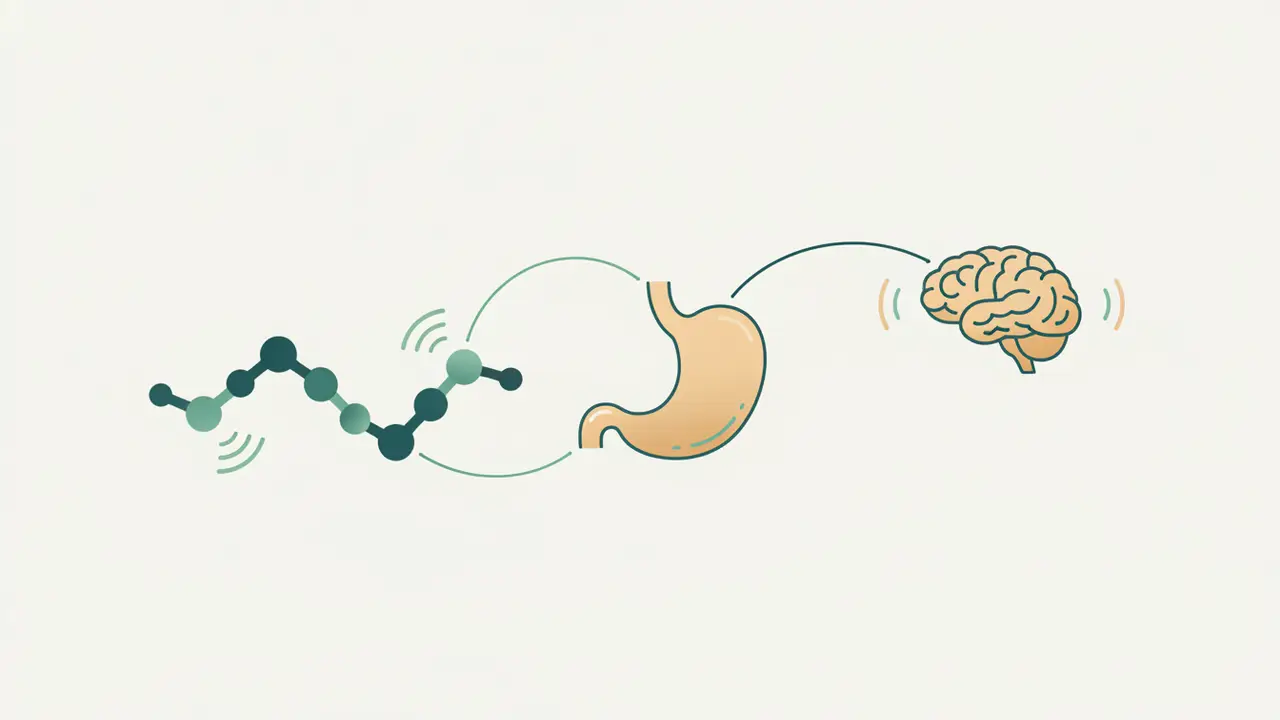
GLP-1 is a gut hormone that tells the pancreas and brain a meal has arrived. See how drugs copy it, how they differ, and their status in Thailand.

How long do people stay on Mounjaro? Doctor questions
There is no fixed end date for Mounjaro. See what the label and trials say about duration and stopping, and which questions to bring to a doctor in Thailand.

Is Oral Semaglutide Available? Status by Country
Oral semaglutide exists as an approved diabetes tablet in the US and EU. See how it works, its status in Thailand, and why capsule peptides differ.

Is semaglutide safe? Risks and warnings explained
Is semaglutide safe? Read the official warnings, what trials found, who should be cautious and what to ask a doctor, with Thai prescription rules.

Mounjaro and hair loss: what is known
Hair loss is reported with tirzepatide and other weight-loss drugs. See what regulators and studies say, likely causes, tests to ask for and Thai rules.